In the 1940s and 1950s, Du Pont, the chemical company, became a leader in using chemistry to make synthetic materials, of which nylon was initially among the most important and potentially lucrative substance. Nylon became an enormously profitable material, most notably for nylon stockings. But nylon would also become the “gateway synthetic fiber,” leading to a series of synthetic fibers that would upend the fashion world — and decades later, help enable something called “fast fashion,” a quick-turnaround marketing model that would pose serious global environmental challenges (to be covered separately in a forthcoming story). But the initial Du Pont ascendancy with nylon for female stockings was notable for the riotous demand it created — followed by a string of other Du Pont fibers that would also change fashion. Nylon’s initial surge for stockings, however, was halting at first, as government restrictions on nylon as a strategic material came on during WWII. More on that in a moment. First, a bit of stocking history.

Sample Du Pont ad from Sept 1948 Collier’s, touting Du Pont’s role in nylon stockings. But the road to nylon – and the Du Pont bonanza in synthetic fibers to come – began first in the 1920s with female interest in stockings
In the 1920s, as hemlines of dresses rose, women began to wear flesh-colored stockings to cover their exposed legs. Those stockings were sheer, first made of silk or rayon, the latter known as “artificial silk.” Through the 1930s, ladies hosiery became a major business. Stockings became “must have” fashion for the ladies. At the time, American women bought an average of eight pairs of the silk or rayon stockings per year. In the 1930s, meanwhile, the U. S. imported four-fifths of the world’s silk, 90 percent of which came from Japan. And most of that – 75-80 percent – was used for women’s hosiery, and specifically, silk stockings. Japanese silk producers were then reaping over $70 million annually (about $1.3 billion today)
For the ladies, meanwhile, silk stockings were prized, but had their drawbacks. For one, they were not stretchable and needed a garter belt to stay in place. Silk was also prone to snag and run and could be easily ripped. And silk stockings were expensive to replace.…Rayon was seen as a substitute for silk. But rayon stockings also had draw-backs… Women were looking for a more durable and affordable alternative. Rayon, for its part, although not initially called that, had been around since the 1840s. Derived from plant material such as wood pulp, cotton, or bamboo fiber, rayon was not technically a synthetic, though made in a chemical process, described as “chemically-realigned cellulose,” but sometimes called a “semi-synthetic.” Rayon was in commercial production in the UK and the U.S. during 1905-1910. In the 1920’s, Du Pont purchased the rights to the process the material, and that’s when the term “rayon” first appeared, around 1924. Rayon was then seen as a substitute for silk. But rayon stockings also had drawbacks. Generally, rayon was too stiff, ill-fitting, and too shiny to replace real silk, then the preferred stocking material. Rayon, however, would go on to have many other fabric applications, in Du Pont products and others.
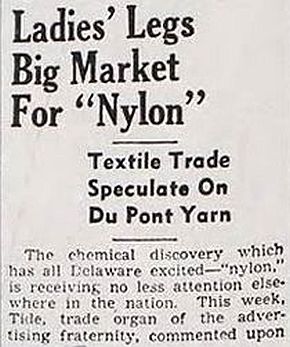
1938 news clip with headline hyping Du Pont’s nylon material - “Ladies’ Legs Big Market for ‘Nylon’.”
Du Pont scientists, meanwhile, had been working on chemical polymers to develop new synthetic substances. Du Pont’s Wallace Carothers led a team that had worked for a decade or so on polymers with the goal of producing a new synthetic fiber to replace silk. Carothers’ lab had dozens of chemical candidates to consider, but he focused on developing nylon.
First called “polymer 66” internally, nylon was discovered by Du Pont in 1935. The process involved heating a specific solution of carbon, oxygen, nitrogen and hydrogen molecules to very high temperature until the molecules begin to hook together in what’s called a long-chain polymer that could be drawn from a beaker on the tip of a stir stick like a string of pearls.
After some internal debate on what name to use for the new substance, “nylon” was eventfully chosen, and patented in 1937 (among names reportedly considered by Du Pont before nylon were: Delawear, Dusilk, Moor-Sheen and Silkex). Du Pont then hired the Union Manufacturing Company to secretly manufacture the first experimental nylon stockings. These turned out black with some other shortcomings, but further refinements came. On October 27, 1938, Charles Stine, vice president of Du Pont, officially announced that nylon had been invented. That same year Du Pont began construction of a nylon production plant in Seaford, Delaware that would later produce millions of pounds of the new material. By February 1939, improved versions of nylon stockings were exhibited at a somewhat low-key public demonstration at the Golden Gate Exposition in San Francisco. But they were not yet for sale.

First demonstration of the new wonder fabric of nylon – and nylon stockings – at San Francisco “Golden Gate Exposition” in February 1939, with two ladies demonstrating the strength of the stockings – then not for sale.
Nylon stockings first went on sale experimentally after a limited production run on October 24th,1939 – at six selected stores near Du Pont headquarters in the Wilmington, Delaware area. As word got out that the new stockings were on sale in Delaware, a crush of patrons turned out, some traveling from Washington, D.C. The Wilmington experiment, in any event, proved women were ready and eager to try nylon hosiery.
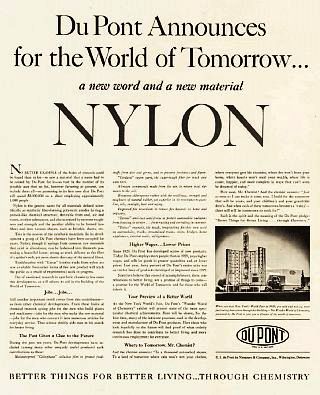
Du Pont newspaper ad at public introduction of Nylon, 1939 New York World's Fair, 'Wonder World of Chemistry' exhibit. New York Herald Tribune, October 30, 1939, 'The Women's Forum' section. Source: Science History Institute.
Stine’s announcement to the women’s club was a strategic Du Pont public relations move designed to build consumer demand for the new nylons. The company already knew from its previous work with silk and rayon, that women on average bought up to eight pair of stockings every year.
Also, in advance of the 1939 World’s Fair opening in New York, Du Pont ran full-page newspaper ads such as the one at right appearing in the New York Herald Tribune in late October 1939 introducing and touting nylon – and other of its “wonder products” – for the “world of tomorrow.” At the bottom of the ad came the company’s famous slogan: “Better Things for Better Living …Through Chemistry.”
Nylon stockings, among other products, were displayed at Du Pont’s 1939 World’s Fair exhibit — “Wonder World of Chemistry” — featuring attractive young female models, one dubbed, “Princess Plastics” and another, “Miss Chemistry,” some dressed from head-to-toe in synthetic products, all made by Du Pont. “Du Pont has the best leg show at the fair,” said one newspaper account of “Miss Chemistry,” then modeling a pair of the new nylon stockings at the New York World’s Fair.
Back in Delaware, meanwhile, the construction Du Pont’s first nylon plant, at Seaford – some 87 miles south of Du Pont headquarters in Wilmington – had been completed in nine months. The six-story manufacturing plant began operations in mid- December 1939.

Nylon is the feature story in the September 1941 issue of “The Du Pont Magazine,” showing a factory worker with “pre-formers” for shaping the stockings.
On May 15th, 1940 – known as “Nylon Day” – some 4,000,000 pair went on sale throughout the U.S. The new stockings became quite the popular fashion item. Nylon stockings were more elastic and stronger than the silk variety and more comfortable than rayon. Women loved them, and they .flocked to stores by the thousands. By one count, those first four million pairs from Du Pont sold out in four days. In fact, 64 million pairs were sold during their first year on the market. They sold for $1.25 a pair, the same price as silk, but their shrink-proof / moth-proof nature made them very popular.
Such was the success of nylon that in 1941, just a year after its launch, a second plant was opened in Martinsville, Virginia, to meet the growing demand and ensure a steady supply of this popular fabric.
In 1941, Du Pont sold $25 million worth of nylon yarn. That’s equivalent to nearly $560 million today. In just two years, with its nylon breakthrough, Du Pont had cornered 30 percent of the women’s hosiery market.
The first round of nylon euphoria, however – and Du Pont’s stocking profits – would be short lived, as nylon became a critical material for various military uses in WWII. Following the Japanese attack on Pearl Harbor, December 7th, 1941 America entered the war.
Nylon Goes To War
On February 11, 1942, the War Production Board commandeered Du Pont’s stock of nylon for use in military-related manufacturing. From then on, Du Pont’s production of nylon went to war materials (and Du Pont was compensated accordingly and did not suffer financially).
Nylon is a thermoplastic polymer that is strong, tough, and durable. It’s more resistant to sunlight and weathering than organic fabrics, and because it’s synthetic, it’s resistant to molds, insects, and fungi. It’s also waterproof and quick to dry. For all these reasons and more it became a key war material.
Parachutes, formerly made of silk from Japan, were soon made of nylon. So were ropes, tire cord, shoe laces, certain machinery parts like gears, life rafts, glider tow ropes, mosquito netting, hammocks, flak jackets, and other critical materials
Nylon-made materials became especially important for military uses in the field. By utilizing nylon-made materials during WWII, allied forces became better-equipped than the enemy and able to weather difficult conditions. In fact, in some corners, nylon would be called, “the fiber that won the war.”
 1943 B F Goodrich Co. WW II magazine ad: "We Borrowed Their Nylons to Make Tires for Navy." |
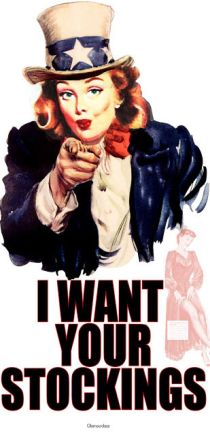 The Government also sought old & used silk & nylon stockings for the war effort. |
As war production at home began using nylon in manufacturing, some companies began telling their stories about how they were integrating nylon into the war materials they made. Tire manufacturer B.F, Goodrich, for example, ran full-page magazine ads with the headline, “We Borrowed Their ‘Nylons’ To Make Tires of The Navy,” offering a kind of “kudos” to the ladies for sacrificing their stocking fashion for the higher cause. Goodrich, in its ad, assuming male readers, noted: “the nylon your wife is not getting is going to war,” explaining that Goodrich was then using “nylon plys” to replace rubber in airplane tires for the U.S. Navy.
There was also a campaign aimed at the ladies at home who were called upon with ads like the one above – “I Want Your Stockings” – to do their part and contribute their old silk and nylon stockings. Drop-off collection bins were set up in stores where women could leave their old and used stockings.

During 1941-1945, not only was the making of nylon stockings halted during WW II with nylon production diverted to the war effort for parachutes and other war materials, but women were also asked to donate their old silk and nylon stockings for use in the war effort, as shown here at a department store collection site.
The used stockings were recycled into essential war materials after being melted down and re-spun into new threads or used to create gun powder bags. Repurposed nylon was also used for other items such as tire cord, ropes for gliders, mosquito netting, hammocks, and even shoelaces.
In one promotional move to encourage ladies to do their share for the war effort, Hollywood pin-up girl Betty Grable “peeled the nylons off her shapely legs at a War Bond rally,” where they were auctioned for $40,000 (nearly $800.000 in 2025).
Nylons Return
…And The Ladies Riot
With the war’s end in 1945, nylon production resumed at Du Pont in August 1945, just eight days after Japan’s surrender. Headlines in Chicago trumpeted: “Peace is here! Nylons on sale!” However, when the first post-war sales of nylon stockings resumed in the late 1945 and early 1946, there wasn’t enough production to meet demand. The first pairs of nylons began appearing in stores in September 1945. But the stores selling nylons confronted huge crowds, touching off “nylon riots” through early 1946 as the stockings quickly sold out.

1946 photo from Du Pont archive showing large crowd lining up for nylon stockings in San Francisco. The caption on back reads: “The buyers’ rush for the first post-war nylon stockings was riotous....Photograph shows 10,000 San Francisco shoppers overflowing in Market Street from a store that had advertised a special sale of nylons for the benefit of working girls. Sale was called off after one of the display windows was pushed in by the force of the crowd, and several women fainted.” Source: Hagley Museum &Library, Wilmington, DE.
In fact, just about everywhere the stockings appeared for sale, newspaper reports noted the crush of customers and “nylon riots” in which hundreds, sometimes thousands, of women lined up to compete for the limited supply. In New York city, thousands lines up in late January 1946 to by nylon stockings at a Gimbles department store (see photo below). The New York Times reported “30,000 Women Join in Rush for Nylons!” and “Nylon Mob, 40,000 Strong, Shrieks and Sways for Mile.” Among the more raucous of the stocking wars was one in Pittsburgh in June 1946, when 40,000 people lined up for over a mile to compete for 13,000 pairs of nylon stockings, where “fighting, hair-pulling and general hysteria” broke out as the mob rioted.
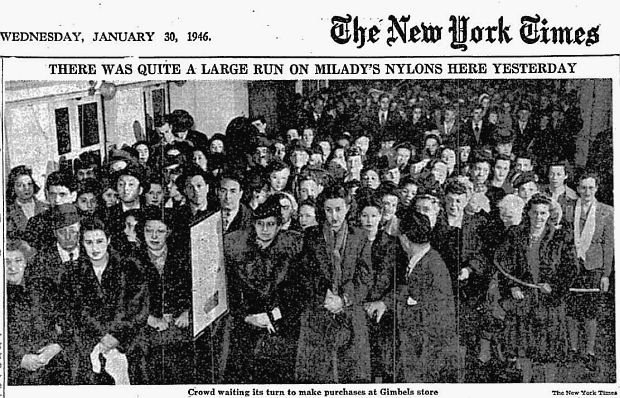
Photo used with a January 1946 New York Times story showing large “crowd waiting its turn to make purchases at Gimbels store,” where some thousands lined up to buy nylon stockings.
Women remained eager to purchase nylons as soon as they were available. One famous photo of the period showed one woman who had managed to buy a pair, sitting down at curbside and putting them on right away.
In any case, the nylon riots continued to escalate in severity until demand was finally met some months later. It wasn’t until sometime in the spring of 1946 when Du Pont by then was producing 30 million pairs per month.
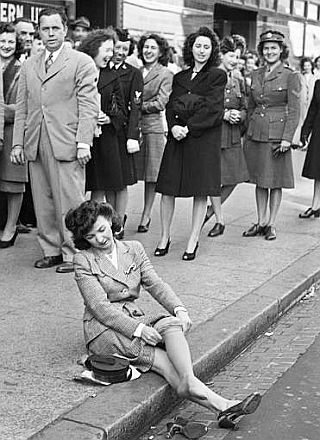 Woman at curbside putting on a pair of nylon stockings in Wash., DC, Oct 1945, having scored a pair during post-WWII limited supply. |
 New York Times story of January 30th, 1946 with headline, “30,000 Women Join in Rush for Nylons!” |
Nylon demand remained so high throughout the 1940s that reportedly, Du Pont required all its customers, no matter how large or reputable, to pay in advance.
“The demand was so great,” said one company official, “we had to make sure customers who wanted nylon had the money to pay for it…. Even Burlington Mills would send a check for $100,000 to fill an order. …Everybody wanted nylon.” It was not until spring 1946 that Du Pont was making enough for supply to catch up with demand.

1948. Sanderson Hosiery Company of Los Angeles built an eye-catching giant leg promotional structure atop a “Nylons” sign at its factory location on Olympic Blvd, here at opening day promotion showing actress Marie Wilson aloft by crane.
In 1948, when Sanderson Hosiery factory and store of Los Angeles opened a new location at 11711 Olympic Blvd, they installed a novel, eye-catching exhibit to sell their stockings – a 35-foot giant women’s leg attired with stocking, standing tip-toe atop a base sign that read: “NYLONS.”
In fact, at the store’s opening promotion, actress Marie Wilson, was placed aloft by crane to showcase the giant leg, said to have been modeled by one of her own. The giant leg exhibit was also illuminated at night and could be seen from some distance.
Meanwhile, by the early 1950s, Du Pont had become such a dominant player in nylon, that an anti-trust suit was believed to be in the offing. But Du Pont, partly in order to meet demand and partly to avoid an antitrust suit, began licensing nylon to outside producers in 1951.
Nylon stockings, however, were just the beginning.
A Versatile Fiber
More Than Stockings
Nylon, however, was a substance that would go well beyond stockings; a substance that could be used in making a vast array of consumer and industrial products. And post-war, Du Pont would use a major marketing and advertising campaign that would showcase the wide-ranging product and uses that were possible with nylon, employing a “News About Nylon” advertising theme and other programs and company material to promote the new substance.
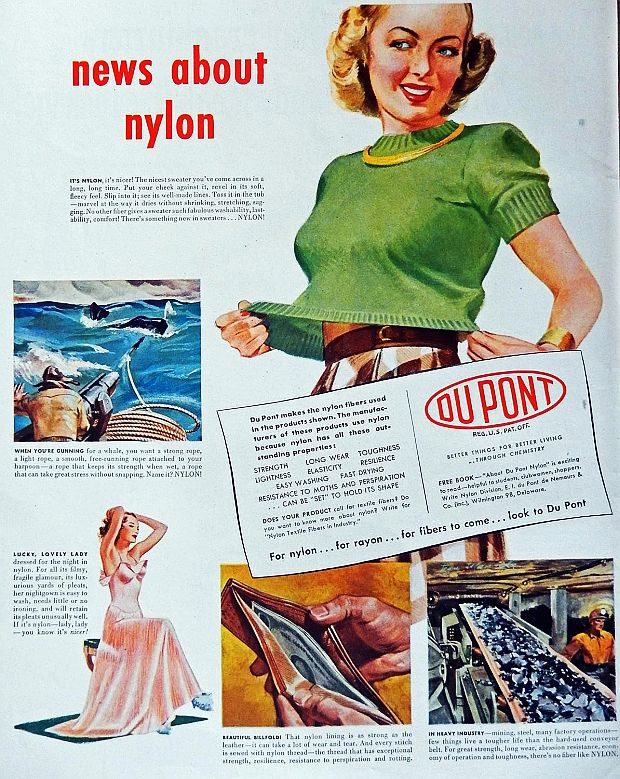
This 1948 Du Pont magazine ad touts nylon’s wide-ranging uses – in sweaters, harpoon rope, a women’s nightgown, the lining of a man’s billfold, and for a conveyor belt in a coal mine.
In the above 1948 magazine ad, for example — one among dozens of Du Pont nylon ads that would appear under the banner, “News About Nylon” and “Nylon Gives You Something Extra” — Du Pont had set about the business of “educating” its readers about all the various materials that could be made with nylon.
In the ad above, for example, to the left of the young lady modeling a sweater, the attached paragraph explains: “It’s Nylon, it’s nicer. The niceist sweater you’ve come across in a long, long time. Put your cheek against it, revel in its soft, fleecy feel. Slip into it; see its well-made lines. Toss it in the tub – marvel at the way it dries without shrinking, stretching, sagging. No other fiber gives a sweater such fashion, washability, lastability, comfort ! There’s something new in sweaters …NYLON!”
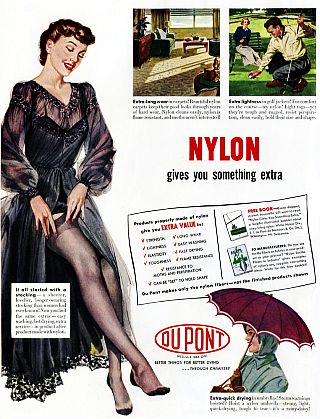
This 1949 Du Pont ad -- “Nylon Gives You Something Extra” – features nylon stockings,, long-lasting carpet, lightweight golf jackets & quick-drying umbrellas.
Nightime female attire is touted in the next example: “Lucky, Lovely Lady, dressed for the night in nylon, For all its filmy, fragile glamour, its luxurious yards of pleats, her nightgown is easy to wash, needs little or no ironing, and will retain its pleats unusually well. If it’s nylon – lady, lady – you know its nicer!”
A photo of a man’s billfold being opened to is currency section is pictured next, “…That nylon lining [in the billfold] is as strong as the leather – it can take a lot of wear and tear. And every stitch is sewed with nylon thread – the thread that has exceptional strength, resilience, resistance to perspiration and rotting.”
And finally, a pitch to heavy industry, depicting conveyor belt in a coal mine carrying pieces of coal…. “[M]ining, steel, many factory operations – few things live a tougher life than the hard-used conveyor belt. For great strength, long wear, abrasion resistance, economy of operation and toughness, there’s no fiber like NYLON.”
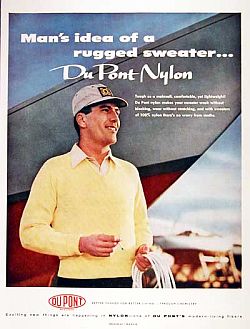
A man's sweater gets the "Du Pont Nylon" treatment in this 1950 magazine ad.
Du Pont makes the nylon fibers used in the products shown. The manufacturers of these products use nylon because nylon has all these outstanding properties:
STRETCHLONG WEARTOUGHNESS
LIGHTNESSELASTICITYRESILIENCE,
EASY WASHINGTONFAST DRYING
RESISTANCE TO MOTHS AND PERSPIRATION
…CAN BE “SET” TO HOLD ITS SHAPE
DOES YOUR PRODUCT call for textile fibers? Do you want to know more about nylon? Write for “Nylon Textile Fibers in Industry”
The banner in this ad also includes the Du Pont logo and slogan, “Better Things for Better Ling – Through Chemistry,” and there is also an offer for a free book – “About Du Pont Nylon” — and at the bottom of the banner, the parting phrase is offered: “For nylon …. for rayon ….for fibers to come …look to Du Pont.”
Dozens of other similar Du Pont ads touting the versatility of nylon appeared throughout the 1940s and 1950s.
Nylon, in fact, has been described as “a family of synthetic polymers” that can be processed into fibers, films and various shapes. Nylon fibers would come to be used commercially in everything from clothing and carpeting to molded car parts, automobile tires, and food wrappings. And though the years, Du Pont scientists continued to tweak and refine nylon for specific uses and applications. In 1954, Du Pont trademarked the Zytel nylon resin, marketing it as a heavy-duty, heat- and chemical-resistant industrial plastic. In 1958, Du Pont announced the introduction of a semi-dull luster nylon for use in automotive and home upholstery fabrics. This particular nylon was designed to meet then growing demand for a subdued luster in upholstery.

A 1965 ad for nylon stockings made with Du Pont's "Cantrece" variant, called "leg make up," shown with a lady's hand holding a facial make-up kit.
Fiber & Fashion
But in the textile industry, in particular, nylon revolutionized what might be possible in the ever-changing world of fashion – and would be followed by a parade of new Du Pont-invented and Du Pont marketed synthetic fibers. And with many of these fibers, the fashion market would prove to offer endless possibilities with solid profitability.
Du Pont saw this alliance with fashion early and in an effort to embed Du Pont fibers in the fashion world, beginning in the mid-1950s, the company targeted French fashion designers, such as Coco Chanel, Jean Patou, and Christian Dior, plying them and their teams with fabric samples. Du Pont also hired professional photographers to document and publicize the results.
In 1955, designers Chanel, Patou, and Dior showed gowns created with Du Pont fibers, as fashion photographer Horst P. Horst documented their use of Du Pont fibers. Meanwhile, the influential trade magazine,American Fabrics, was then crediting nylon blends with providing “creative possibilities and new ideas for fashions which had been hitherto undreamed of.” Combining nylon with other fibers to create new materials with unique properties allowed for innovative and affordable designs that had not been possible before. Blending nylon with natural fibers like wool, rabbit, and fur allowed designers to create fabrics with the durability of nylon but the feel of natural materials. Some early examples of such blends included “Bunara” (wool-rabbit-nylon) and “Casmet” (wool-nylon-fur).
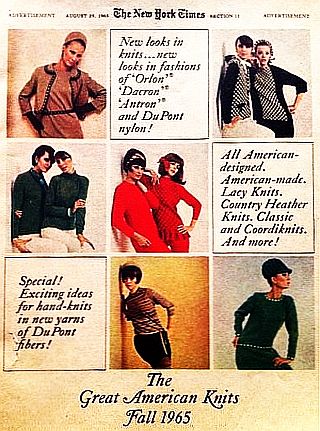
Du Pont's 30-page Fall Fashion advertising supplement ran in an August 1965 edition of the New York Times, then featuring its synthetic fabrics as modeled in a range of fashion lines.
There would, however, be some ups and downs in nylon demand, as consumer interest wore off a bit in the early 1970s, also influenced to some extent by energy supply and environmental issues. Nylon stockings, for one, had lost some of their appeal in later years, as pantyhose, also made with nylon, came on the scene and became wildly popular in the mid-60s due as the mini-skirt trend took hold. And in later years, a preference for a more natural, bare-leg look without stockings also took hold.
Yet with advancing polymer technology and microfiber, nylon would still hold some sway in fashion and other applications. By 1990, Du Pont was eyeing a bigger world market for nylon fiber and other synthetics, targeting expansion in the Far East, then planning to spend $1 billion on its operations in that region over the next 10 years. Du Pont’s investment then was intended for the broader nylon and polyester market in the Asia-Pacific region, which included a mix of industrial and apparel applications.
But through subsequent decades, in addition to nylon, an array of other Du Pont synthetic fibers would pour from the golden horn of polymer chemistry. Among these would be Orlon, Dacron, Lycra and others. That part of the story == and how these fibers began to change fashion — continues next.
The First Acrylic
Du Pont’s Orlon
In 1941, Du Pont created the first acrylic fiber, trademarked as Orlon in 1948. It was first used for items like window curtains and awnings, but eventually became popular for sweaters, and other apparel due to its soft, warm feel, and resistance to mildew and moths. Not produced in large quantities until the 1950s, Orlon acrylic fiber soon found its way in sweaters and tracksuits and also as linings for boots and gloves, as well as in furnishing fabrics and carpets.
Among the advertising Du Pont offered on behalf of Orlon is one 1953 magazine ad touting Du Pont’s Orlon acrylics for fall fashion in its “Chemistry Classroom” ad. This ad, depicts a co-ed perched on a desk reading a chemistry book, molecular model beside her, while being admired by an attentive male student with professor and blackboard behind her. The co-ed is attired in the latest Orlon ensemble skirt and sweater, as Du Pont’s copy provides the narrative:
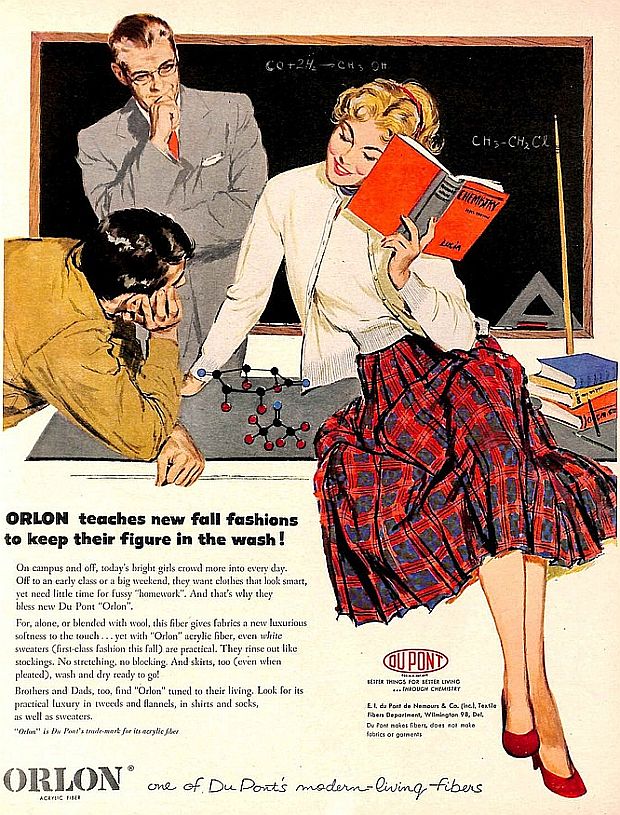
1953 Du Pont ad for its "Orlon" synthetic fiber used in female clothing lines exhibited in this "Chemistry Classroom" example, run in Life magazine and others. This ad is also available as wall art; click for Amazon.
ORLON teaches new fall fashions to keep their figure in the wash!
On campus and off, today’s bright girls crowd more into every day.
Off to an early class or a big weekend, they want clothers that clook smart,
yest need littl time for usssy “homework.” And that’s why they
bless new Du Pont “Orlon.”
For, alone, or blended with wool, this fiber gives fabrics a new luxurious
softness to the touch ….yet with “Orlon” acrylic fiber, even white
sweaters (first class fashion this fall) are practical. They rinse out like
stockings. No stretching, no blocking. And even skirts too (even when
pleated), wash and dry ready to go!
Brothers and Dads , too find “Orlon” tuned to their living. Look for its
practical luxury in tweeds and flannels, in shirts and socks,
as well as sweaters.
Near the bottom of the ad, beneath the sitting co-ed, is the Du Pont logo and its slogan, “Better Things For Better Living ….Through Chemistry.” And at the very bottom of the page is an enlarged “Orlon” along with the notation – “one of Du Pont’s modern-living fibers.”
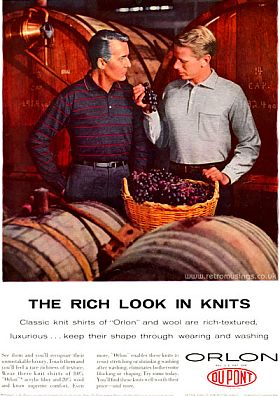 A 1958 Du Pont Orlon ad featuring one in a series using “the rich look in knits” theme, in Sports Illustrated magazine. |
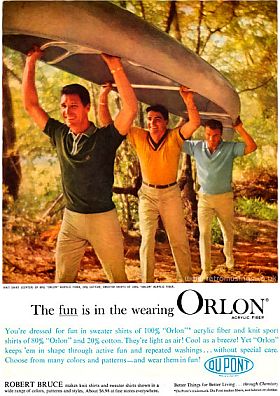 A 1960 Du Pont ad touting men's Orlon-made sports shirts, appearing in 'Sports Illustrated' magazine. |
As with its nylon ads, there would also be a number of Orlon ads, touting that fiber’s many possible products and uses. Du Pont began producing Orlon fiber in 1952 at its Columbia, SC plant at a rate of 35.6 million pounds annually.
DuPont sold Orlon fiber to its customers for approximately 40 years, from 1950 to 1990, when it stopped producing the fiber due to increased competition and declining demand.
Rise of Polyester

May 9, 1951 front-age story in NY Times on Du Pont’s new Dacron fiber.
Du Pont’s Dacron
On May 8th, 1951 in New York, the world’s first commercially-marketed polyester fiber was introduced to consumers in men’s suits to be sold by Hart, Schaffner & Marx Co., featuring a fabric blend that included a new Du Pont synthetic fiber named Dacron. The sale of the new fabric made front-page news the next day in The New York Times.
Dacron was a type of polyester fiber made from polyethylene terephthalate (PET). In 1941, British chemists had invented the first polyester fiber, but Du Pont acquired the patent rights to the invention and began marketing it in the U.S, under the brand name Dacron.
The new fiber would usher in the “wash-and-wear” era of low-maintenance, “never-needs-ironing” garments that appealed especially to women, who then managed household clothing chores.
Within weeks of the new Dacron men’s suits coming out, Dacron shirts for men and blouses for women were being sold, along with 100 percent Dacron summer suits,. The suits were said to be cooler than summer-weight woolens, and the pants would hold their crease. Dacron clothing could also be worn for weeks without special care and still look fresh. Later in the 1970a, a polyester “leisure suit” trend would emerge.
Dacron was marketed as something of a “miracle” fiber given as its light weight, durability, and resistance to creasing, shrinking, and fading. Clothing manufacturers loved it, and for a time, it would became a dominant synthetic fiber. Writing on Dacron in 1954, a few years after its introduction, in a New York Times story, D. W. Gaynor of Town & Country, noted:
“…Dacron now goes into suits, slacks, shirts, ties, evening clothes, rainwear, robes, pajamas, socks and even hats and caps. Alone or combined with worsted, silk, nylon, or rayon, it endows a suit with the ability to hold its press for many more wearings than the woolen and worsted suits men have been used to. Tough by nature, it shrugs off moisture and wrinkles, and this tough- ness contributes to easy cleaning. Recent improvements have turned Dacron into a tractable mate for the natural fibers so that the eye and hand can’t readily tell that it’s woven into any given fabric. Materials made entirely of Dacron do not have the agreeably soft texture of the best worsteds. But… it can be spun into thin yarn and woven into the lightweight, porous fabrics needed when the thermometer turns tropical.”
Du Pont, meanwhile, as with nylon and Orlon, had incorporated Dacron into its public relations and advertising programs.
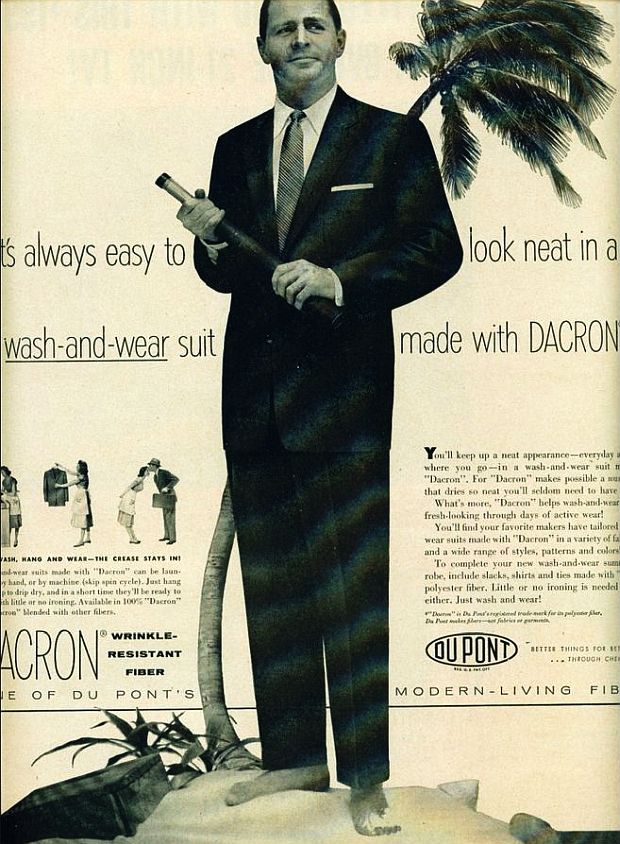
A somewhat rough & closely clipped 1950s Du Pont magazine ad with barefoot, suited model set on a tropical island, featuring the new “Dacron” polyester fiber, touting its “always-look-neat” and “wash-and-wear” virtues. Lower left “happy housewife” inset tells the tale of Dacron’s easy wash-and-drip-dry care-taking.
Through the 1950s and 1960s, Du Pont Dacron ads were ubiquitous throughout popular and general circulation magazines, and also on television. Ads like the one above used the ”wash-and-wear” message to tout it easy care and less ironing, with some ads showing a woman in the background standing in a laundry-type setting apparently pleased with the new “just-pop-them-in-the-dryer” men’s suits and other fabrics. Other Dacron ads featured its light-weight advantage in hot weather, or its use in blending to “improve” other fabrics, as those shown below.
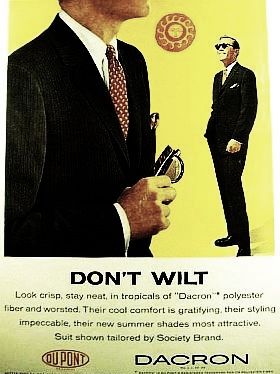 1958 Du Pont ad featuring a Dacron “tropicals” suit that will stay crisp and neat, promising cool comfort to its wearer. |
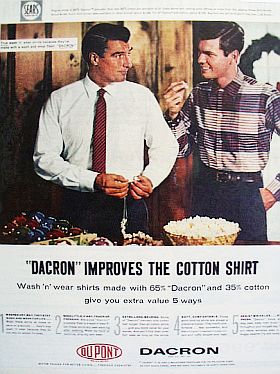 Another 1958 Du Pont ad features wash ‘n’ wear cotton shirts “improved” with 65% Dacron & “extra value in 5 ways.” |
But its wasn’t just Dacron for men. Du Pont also hyped women’s lines made with the new synthetic fiber, some with attention to fashion, attaching to popular and/or highly-regarded designers and manufacturers, as in the first example below at left.
![A 1958 Du Pont ad: “Lloyd Weill [famous dress manufacturer] requests the pleasure of your company in summer’s ever-fresh sheer...” DACRON and Cotton.](https://pophistorydig.com/wp-content/uploads/2025/11/1958-Dacron-cotton-280.jpg) A 1958 Du Pont ad: “Lloyd Weill [famous dress manufacturer] requests the pleasure of your company in summer’s ever-fresh sheer...” DACRON and Cotton. |
 1977 Du Pont ad urges the ladies to “get into Today’s Dacron,” touting the natural look, the natural feeling, and the easy care. |
Du Pont’s Dacron polyester went well beyond clothing, and would be marketed for a wide range of uses – for outdoor gear due to its durability, moisture-wicking, and quick-drying properties; in home textiles like curtains, bedspreads, and sheets; as “fiberfill” for batting in upholstery, pillows, mattresses, and quilts; in furniture, offering a softer, rounder, and puffier look to cushions; and even in medical applications such as surgical sutures, skin and vessel grafting, heart-valve sewing, reinforcing ligaments, tendon implants, and hernia repair meshes.
Sleeping bags filled 100 percent with Dacron “fiberfill” are “comfortably warm and easy to roll,” says Du Pont in the company’s 1955 ad, below left. “There’s nothing warmer, nothing more comfortable than a sleeping bag filled 100% with DACRON polyester fiberfill: says the ad. “The outstanding resilience combined with the soft, airy bulk of this filling materials gives sleeping bags superior insulating warmth and lasting comfort.” And the company ads: “DACRON Fiberfill helps make bags lighter, easier to roll, too. It’s non-allergenic, odorless, lint free… needs no moth proofing…. resists mildew. Look for the Du Pont label when you buy…” Dacron fiberfill was also used for insulated jackets.
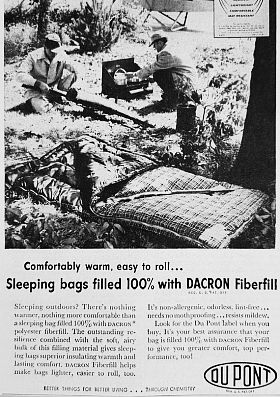 1955 Du Pont ad sings the praises of sleeping bags filled with 100% DACRON fiberfill. They’re “comfortably warm” and easy to roll. |
 1950s Du Pont ad headline: “In Just 8 Minutes, Fire Can Multiply 50 Times.” But fire hose made with lightweight DACRON can save “vital seconds.” |
In the automotive sector, Dacron was also marketed for applications such as seat covers, carpets, and headliners, and the polyester fiber also had various industrial applications, including ropes, webbing, conveyor belts, and hoses, as shown in the 1950s ad above right for fire hose. “In Just 8 Minutes,” Du Pont announces with the ad’s headline, “Fire Can Multiply 50 Times.” With fire hose made with Du Pont’s Dacron, the company says, “vital seconds” can be saved because the hose is lightweight. As the company explains:
“Seconds often spell the difference between controlling a fire and disaster. That’s why hose containing filler cords of Du Pont DACRON polyester fiber is essential to modern firefighting efficiency. Hose containing DACRON has unusual strength, yet is lighter than ordinary hose. It had great flexibility and is easer to handle – gets into action fast. Make sure the hose you buy is made with Du Pont DACRON….”
A polyester film derived from the same polymer as Dacron, called Mylar, was also developed, and it too found a range of uses, from food packaging to electronics.
“Great Sails…”
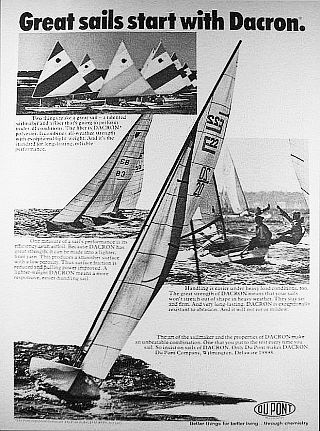
This 1970 Du Pont ad for Dacron polyester details all the benefits of using the new synthetic fiber in sailcloth.
Two things make a great sail – a talented sailmaker and a fiber that’s going to perform under all conditions. The fiber is DACRON polyester. It combines all-weather strength with exceptional light weight. And it’s the standard for long-lasting, reliable performance.”
One measure of a sail’s performance is its efficiency as an airfoil. Because DACRON has great strength, it can be made into a lighter, finer yarn. This produces a smoother surface with a low porosity. Thus surface friction is reduced and pulling power improved. A lighter-weight DACRON means a more responsive, easier-handling sail.
Handling is easier under heavy load conditions too. The great strength of DACRON means that your sails won’t stretch out of shape in heavy weather. They stay set and firm, And very long-lasting. DACRON is exceptionally resistant to abrasion, And it will not rot or mildew.
The art of the sailmaker and the properties of DACRON make an unbeatable combination. One that you put to the test every time you sail. So insist on sails of DACRON. Only Du Pont makes DACRON. Du Pont Company, Wilmington Delaware 19898.
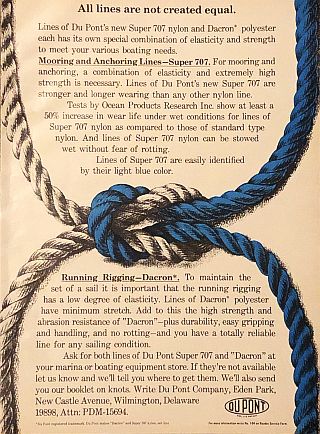
Du Pont’s 1974 ad on sailing rope – mooring rope of nylon, and running rigging lines made of Dacron polyester.
In the 1974 Du Pont ad at left – titled, “All Lines Are Not Created Equal” – the company is offering a bit of a tutorial on two kinds of aquatic roping: mooring / anchoring lines, and running rigging lines. The former, shown here in blue, are made with Du Pont nylon fiber, Super 707, and the latter, with Dacron polyester. And in the ad, Du Pont details their respective strengths and advantages.
“For mooring and anchoring, a combination of elasticity and extremely high strength is necessary,” explains Du Pont. “Lines of Du Pont’s new Super 707 are stronger and longer wearing that any other nylon line.” Citing third party testing, Dupont says its nylon mooring rope shows “at least a 50% increase in wear life under wet conditions” compared to standard nylon – and can also “be stowed wet without fear of rotting”
As for rigging lines, Du Pont also offers reasons why its polyester Dacron lines are the better choice. “To maintain the set of sail it is important that the running rigging has a low degree of elasticity. Lines of Dacron polyester have minimum stretch. Add to this the high strength and abrasion resistance of ‘Dacron’ – plus durability , easy gripping and handling, and no rotting – and you have a totally reliable line for any sailing condition.”
But despite specialty markets – whether sailing rope, sleeping bags, fire hose, or other uses – over the years it would be the apparel markets where Du Pont synthetic fibers flourished and made their biggest and most enduring returns.
The Disco Moment

“Saturday Night Fever” promo featuring John Travolta in his classic white-suited disco move, plus the Bee Gees British rock group, also in white, famous for their“Stayin Allive” song & others in the film’s soundtrack. Click for soundtrack.
The film inspired sales to thousands of would-be dancers and beyond.
In addition to the Travolta role and his spotless threads, the Bee Gees rock group as well – famous for their Saturday Night Fever soundtrack – were frequently attired in the leisure suit look, often in white.
The “invisible woman” columnist for The Guardian, writing a later retrospective piece on the Bee Gees and their fashion, noted: “The Bee Gees …gave it [glam rock] a disco spin and became synonymous with glitter balls, illuminated dance floors, and enough man-made fibre to light up Manhattan with the static discharge.“The Bee Gees . . . became synonymous with glitter balls, illuminated dance floors, and enough man-made fibre to light up Manhattan with the static discharge…” The late 70s were when clothes melted if they got near a naked flame… the era of tricel, rayon, lycra and polyester.” But to be fair, it wasn’t just the Bee Gees who wore polyester. Elvis Presley and the Beatles also indulged. And apart from the disco scene, late night TV talk show host, Johnny Carson, also had a hugely successful line of polyester suits in the 1970s.
But by the late 1970s, leisure suits and polyester began to fade due in part to the widespread adoption of cheap, garish, and poorly-made polyester suits. And among college kids, in particular, polyester began to get a negative rap as uncomfortable and artificial. Some restaurants even posted signs banning leisure suits. By the end of the 1970s, the polyester fashion “look” (along with disco), was considered tacky.
But all was not lost for polyester. In the 1980s, a group of designers, including big names like Calvin Klein and Oscar de la Renta, decided to create a line of products made of polyester and polyester blends. This helped shine new light on polyester. And in the 1990s, the introduction of microfiber technology improved polyester by creating incredibly fine filaments, making it softer, more absorbent, and better at wicking moisture in sportswear. Polyester’s reputation soon improved, as did its sales.
In 1991, the New York Times reported on Du Pont’s efforts to rehabilitate the public’s perception of polyester. By the late 1990s, in fact, Du Pont had polyester sales at around $2.2 billion annually, though it would later divest of this business through joint ventures. However, polyester would grow to vast proportions in the global apparel industry through the 2000s and 2020s (see Part II, “Fiber Tsunami,” forthcoming). As for Du Pont, there was still more fiber invention to come.
Du Pont Spandex
The Lycra Brand
In 1958, Joseph Shivers, an American chemist at Du Pont, invented a synthetic elastane fiber that would soon become a commercial success as a spandex material – an elastic synthetic fiber. Spandex is a thermoplastic elastomer that can be stretched up to 600 percent and return to its original shape. It is made from a combination of polyurethane and polyester. In 1959, Du Pont went to market with this new flexible fiber under the trade name Lycra.
The first focus for this Du Pont fiber was female undergarments, or “foundation wear” as they are sometimes called. Early advertising emphasized the “give” of the fabric and its ability to improve undergarments for women that were also “figure-flattering,” as seen in ads from the 1960s.
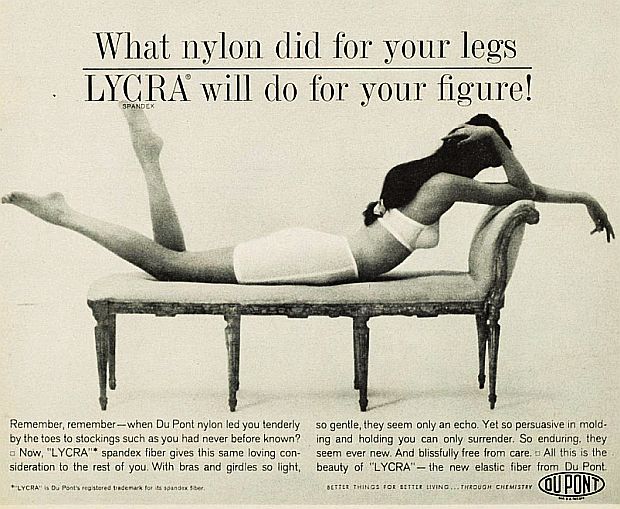
This 1961 Life magazine ad, featuring Du Pont’s ‘Lycra’ synthetic fiber – with headline, 'What nylon did for your legs LYCRA will do for you figure' – features a dark-haired woman wearing a white bra and girdle lying across a chaise-lounge, as the ad’s text sings the praises of the new Du Pont fiber.
The advertisement above – featuring DuPont Lycra – was published in the September 22, 1961 edition of Life magazine, then read by millions. In the image, a dark-haired woman is shown wearing a white bra and girdle lying across chaise-lounge type piece of furniture, as the ad’s text makes the pitch:.
“Remember, remember – when Du Pont nylon led you tenderly by the toes to stockings such as you had never before known? Now, “LYCRA” spandex fiber gives the same loving considerations to the rest of you. With bras and girdles so light, so gentle, they seem only an echo, Yet so persuasive in molding and holding you can only surrender. So enduring they seem ever new. And blissfully free from care. All this is the beauty of LYCRA – the new elastic fiber from Du Pont.”
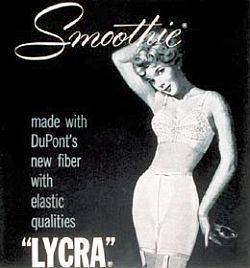
The “Smoothie” was a type of girdle bra sold by Strouse Adler in the 1960s made with DuPont Lycra.
Another boost for Lycra came in 1969, when one of the inner layers in spacesuits worn by Apollo astronauts was made with Lycra fiber. By 1972, sports again pushed Lycra to the fore during the Summer Olympics in Munich, Germany, when form-fitting, lightweight swimwear that moved with the body helped swimmer performance by reducing drag and increasing speed. The sports world noticed, and the use of Lycra continued to spread among athletes in other sports.
In the 1980s, a fitness craze spread to mainstream populations as aerobics programs like Jane Fonda’s Workout (1982) soared to phenomenal success [click for Fonda story]. High-cut leotards and tights made with Lycra allowed freedom of movement and a more comfortable workout. In addition, popular 1980s films, such as Fame (1980) and Flashdance (1983), boosted dancewear, which began moving out of the studio and into casual and street fashion. Professional athletes in a variety of sports—from track and field to tennis and basketball – were also wearing Lycra-made apparel. By 1987, the popularity of spandex in athletic and fashion wear – driven largely by the aerobics boom – was so high that Du Pont struggled to meet worldwide demand.
 1980, “Fame.” Click to stream. |
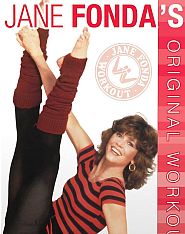 Jane Fonda’s Workout. Click |
 1983, Flashdance. Click for film |
Lycra was also transforming hosiery in the 1980s, adding to comfort and fit, while “smoothing out imperfections,” according to some claims. Also noted were “Chanel couture skirts” that set fashion trends “with the use of spandex in leggings.”

Madonna impacted fashion from the 1980s.
Pop singer Madonna. meanwhile, also had an impact on fashion. Beginning in the early ’80s, she incorporated lingerie-inspired looks into her performances, wearing “underwear as outerwear,” including the use of lace bustiers, which shocked some audiences at the time, but also sparked street-wear fashion trends. She also wore tight, athletic-style tops, bodysuits, and other form-fitting outfits during the decade that used stretchy, Lycra/spandex type material to achieve the look.
By the 1990s, female baby boomers were entering middle age and began looking for apparel and undergarments that provided “targeted lift and comfortable support,” as Lycra-based “shape-wear” came on the scene to help create flattering figures. The girdle, for example, which had fallen out of favor decades earlier, reemerged in the 1990s completely redesigned.
According to one source, “sales of new shapewear products made with Lycra fiber exploded even without major advertising support.”
Du Pont, however, did not abandon Lycra advertising. In 1995, in fact, the company launched its “Nothing Moves Like LYCRA” ad campaign which also debuted the brand’s new wave logo. It was a multi-million dollar effort that included both television and print ads. The ads emphasized the comfort, freedom, and range of movement that the addition of Lycra fiber provided to clothing. The ads often featured stylish images of women in motion, wearing various types of apparel from active-wear to everyday clothing.
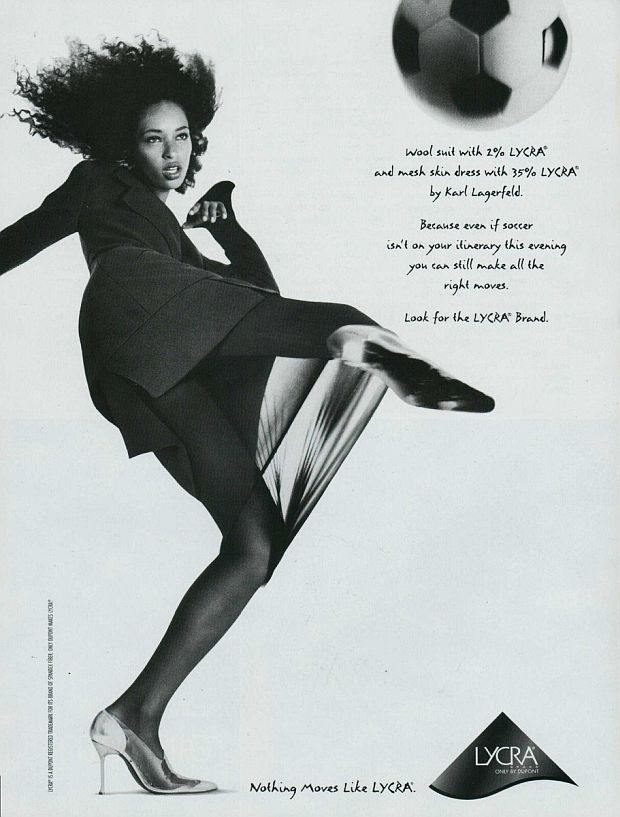
1995 Du Pont Lycra ad: “Because even if soccer isn’t on your itinerary, this evening you can still make all the right moves”. Advertising series under theme: “Nothing Moves Like Lyra”.
In one clever 1995 Du Pont Lycra print ad that ran in Bazaar magazine (shown above), an attractive young lady is featured dressed in dark attire (described in the ad as: “wool suit with 2% LYCRA and mesh skin dress with 35% LYCRA by Karl Lagerfeld.”). The model in the ad is featured kicking a soccer ball, with one leg in the air after the kick, as her dress rises on one side, revealing the “stretchability” of the material. The attendant text explains: “Because even if soccer isn’t on your itinerary, this evening you can still make all the right moves. Look for the Lyrca Brand.” The sign-off theme is offered at the bottom of the ad – “Nothing Moves Like Lyra”– along with the Lyrca logo icon that includes, “Only By Du Pont.” in the lettering beneath the larger LYCRA label.
By the late 1990s, Du Pont accounted for the lion’s share of world spandex capacity, then producing about 200 million pounds of Lycra annually with annual sales valued at more than $1.5 billion. In 2000,By the late 1990s, Du Pont was producing about 200 million pounds of Lycra every year, with annual sales valued at more than $1.5 billion. Lycra fiber was named one of the top apparel innovations of the twentieth century by the Council of Fashion Designers of America. The decade also saw new Lycra collaborations with top fashion designers including, Julien Macdonald, Mathew Williamson, Hussein Chalayan, and Zac Posen.
By 2003, Du Pont Textiles & Interiors, was operating as a wholly owned subsidiary of Du Pont, and was the largest integrated fiber business in the world with annual revenue of $6.5 billion, operating in 50 countries. In that year, the company launched a $40 million global ad campaign with print and TV spots featuring celebrities using the Lycra tagline “Has It”– meaning “You Either Have It, Or You Don’t” Du Pont at that time was also sponsoring fashion shows in Sao Paulo, Asia, and the U.K.
However, later in 2003, Du Pont began negotiations with Koch Industries to sell its textiles and interiors business, including the Lycra brand. Koch acquired the company in 2004 and renamed it Invista. Some years later, in 2019, Invista’s Apparel & Advanced Textiles business was acquired by Shandong Ruyi, a Chinese textile company, which began operating as The Lycra Company. By 2022, Shandong Ruyi defaulted on a loan, and a group of financial institutions headquartered in Wilmington, DE gained control of The Lycra Company. That company continues to innovate and produce Lycra, which remains the leading brand of spandex.
Kevlar, Nomex, Tyvek
Other Synthetics
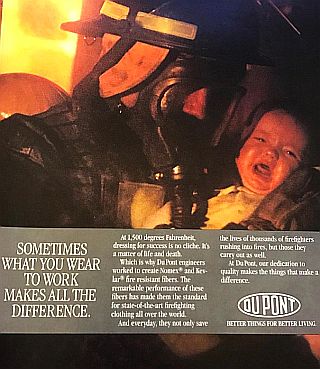
1990 Du Pont ad, plugging Nomex & Kevlar fibers, shows firefighter rescuing a child with headline: “Sometimes What You Wear To Work Makes All The Difference”.
Kevlar high-strength synthetic fiber was discovered in 1965 by Du Pont chemist Stephanie Kwolek. A para-aramid fiber, most famously known for its use in bullet-proof vests due to its exceptional strength-to-weight ratio. It is also used in tires, boots for firefighters, hockey sticks, cut-resistant gloves, fiber-optic cables, fire-resistant mattresses, canoes, and armored limousines. It is used in bomb-resistant building materials. Safe rooms have been built with Kevlar to protect occupants from adverse weather and other threats. Kevlar has also been used to reinforce overtaxed bridges.
Nomex is another flame-resistant aramid fiber developed by Du Pont, which is also used in protective gear for firefighters, military pilots, and race car drivers.
In the Du Pont ad above, showing a firefighter carrying a child rescued from a fire, the headline says: “Sometimes What You Wear To Work Makes All The Difference.” And the ad continued with the following:
“At 1,500 degrees Fahrenheit, dressing for success in no cliché. It’s a matter of life and death.
Which is why Du Pont engineers worked to create Nomex and Kevlar fire resistant fibers, The remarkable performance of these fibers had made them the standard for state of the art firefighting clothing all over the world.
And everyday, they not only save the lives of thousands of firefighters running into fires, but those they carry out as well.
At Du Pont, our dedication to quality makes the things that make a difference.”
In August 2025, however, Du Pont sold its Kevlar and Nomex business to the Arclin company for $1.8 billion. That sale is expected to be completed in the first quarter of 2026, pending regulatory approval. Another Du Pont-invented fiber is trade-named Tyvek, with two of its uses shown below.
 Tyvek protective "building wrap" at construction site. |
 Workers wearing Tyvek coverall suits. |
Tyvek is actually a “spun fiber” creation; i.e., “a flashspun high-density polyethylene fiber.” Discovered in the mid-1950s and commercialized in the 1960s and 1970s, Tyvek is used in a number of applications, including: building wraps during construction; laboratory and medical packaging; protective coveralls worn by mechanics, oil industry workers, painters, insulation installers; wristbands used at music festivals, conventions, and like events; U.S. Postal Service and FedEx envelopes; and laboratory and cleanroom workers [Tyvek coveralls, coats or bodysuits were used during the 2013–2016 Western African Ebola virus epidemic, and in the COVID-19 pandemic, to protect health care workers]. In 2018, Du Pont announced plans to expand Tyvek production at its Luxembourg factory.
* * * * * * * *
May 2025 book, “The Scary Truth Of Fast Fashion: A Wake-Up Call For Our Wardrobes: Why We Need To Rethink What We Wear,” Kindle Edition, by Prasanna Jegatha V.G, 300pp. Click for Amazon.
Since the mid-1990s or so, given a production and marketing model called “fast fashion,” synthetic apparel has exploded in volume across the globe, creating not only booming sales and profits for some, but also adding ominously to major environmental problems, namely: global warming, microplastic pollution, and toxic and material waste.
Part II of this story — “The Fiber Tsunami” (forthcoming) — will explore how the synthetic fiber revolution is contributing to these problems. In the meantime, the book at right, and those on the fashion industry noted below in Sources, offer good overviews.
In addition, for those who may want further reading on chemistry and the environment, any of the following stories at this website may be of interest:
“Applause for Du Pont?, An Environmental Critique,” a story that highlights a 1990-92 battle between Friends of The Earth and Du Pont over a Du Pont TV ad (with “applauding” wildlife) and a corporate strategy that cast the company as an environmental leader, when at the time, according to EPA, it was the largest toxic chemical polluter in the U.S.
“Nurdle Apocalypse: Plastic on The Loose,” about global pollution from chemical company pre-production plastic pellets.
“Doing Great Things? Dow Chemical, 1960s-2020s,” an analysis of a Dow Chemical corporate advertising and public relations campaign designed to put the company in a better light after some of its toxic chemical troubles and environmental issues.
“Oil/Petrochem History, 1950s-2020s,” a topics page with more than 20 story choices on oil and chemical companies in that category.
Thanks for visiting – and if you like what you find here, please make a donation to help support the research, writing, and continued publication of this website. Thank you. – Jack Doyle
|
Please Support Thank You |
____________________________________
Date Posted: 14 December 2025
Last Update: 26 December 2025
Comments to: jackdoyle47@gmail.com
Article Citation:
Jack Doyle, “The Nylon Riots: 1939-1946 & New
Synthetics,” PopHistoryDig.com, December 14, 2025.
Twitter: https://twitter.com/PopHistoryDig
BlueSky: jackdoyle.bsky.social
____________________________________
Related Reading at Amazon.com…
 Pap A. Ndiaye, “Nylon and Bombs: DuPont and the March of Modern America,” 2007, Johns Hopkins Univ. Press, 304 pp. Click for copy. |
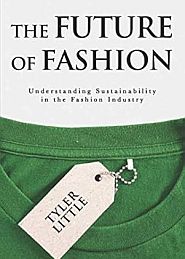 Tyler Little, “The Future of Fashion: Understanding Sustainability in the Fashion Industry,” 2018, New Degree Press, 200 pp. Click for Amazon. |
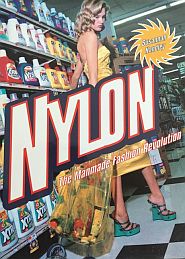 Susannah Handley, “Nylon: The Story of a Fashion Revolution,” 2000, Johns Hopkins University Press, 192 pp. Click for Amazon. |
Sources, Links & Additional Information
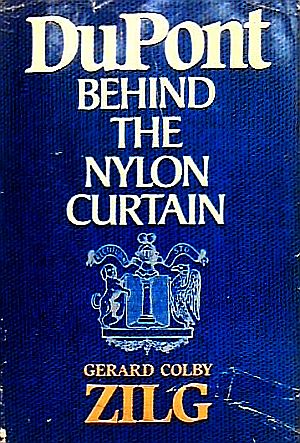 First published in 1974 by Gerard Colby Zilg and titled “Du Pont: Behind the Nylon Curtain.” Reportedly, promotion of the book was abruptly ended after Du Pont family complained to Prentice-Hall. In 1984, published as, “Du Pont Dynasty,” author then using Gerard Colby. Click for Amazon.com. |
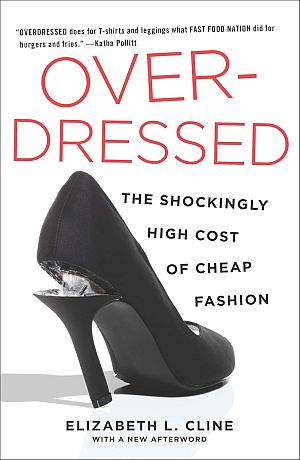 Elizabeth L. Cline, “Overdressed: The Shockingly High Cost of Cheap Fashion,” paperback edition, 2013, Portfolio, 272 pp. Click for Amazon. |
 1988 book by David A. Hounshell & John Kenly Smith, Jr, “Science and Corporate Strategy: Du Pont R & D, 1902–1980 ,” Cambridge University Press, 780 pp. Click for copy. |
 Dana Thomas, “Fashionopolis: Why What We Wear Matters,” 2020, paperback, Penguin Books, 320 pp. Click for Amazon. |
 Maxine Bedat’s 2021 book, “Unraveled: The Life and Death of a Garment,” Portfolio, 336 pp. Click for Amazon. |
 Alden Wicker, “To Dye For: How Toxic Fashion Is Making Us Sick--and How We Can Fight Back.” 2023, G.P. Putnam's Sons, 304 pp. Click for Amazon. |
![Jamie Lincoln Kitman, “The Secret History of Lead” [and Du Pont's role], TheNation.com, March 2000. Click for story.](https://pophistorydig.com/wp-content/uploads/2023/06/ART-Nation-Lead.jpg) Jamie Lincoln Kitman, “The Secret History of Lead” [and Du Pont's role], TheNation.com, March 2000. Click for story. |
 “The Company State” - Ralph Nader's Study Group Report on Du Pont in Delaware, by James Phelan and Robert Pozen, 1973, Grossman, 1st Edition, 464 pp. Click for copy. |
“Nylon,” Fortune, July 1940, pp. 53-60.
Associated Press, “Du Pont Releases Nylon,” New York Times, August 8, 1941, p. 6.
“Stocking Panic,” Business Week, August 9, 1941, p.24.
“Du Pont In The War,” Du Pont Magazine, April May 1943, p. 1.
“To Use Nylon in Plastics; Predicted by Akin of du Pont Co. Before Engineers Group,” New York Times, January 5, 1944, p. 28
“Bootleg Nylons,” Readers Digest, February 1945, pp. 66-68.
“More Nylon: Third Yarn Plant at Chattanooga to Triple Capacity,” Better Living [a Du Pont magazine], December 1946.
“Pair of Women Demonstrating Nylon Stockings..,” Hagley Museum Digital Archives / Digital.Hagley.org.
“30,000 Women Join in Rush for Nylons; Thousands More Turned Away as Gimbels Sells Entire Stock of 26,000 Pairs,” New York Times, January 30, 1946, p.24.
“Large Crowd Lining Up For Nylons in San Francisco,” Hagley Museum Digital Archives / Digital.Hagley.org.
Emily Spivack, “Stocking Series, Part 1: Wartime Rationing and Nylon Riots,” [As hemlines rose, DuPont’s wonder fabric was a sensation among women. But during WW II, it was needed for parachutes,”] Smithsonian Mag.com, September 4, 2012.
E.I. du Pont de Nemours & Company, “Blazing the Trail to New Frontiers Through Chem-istry.” Wilmington, Delaware:, 1940, promotional booklet, 31pp.
E.I. du Pont de Nemours & Company, Plastics Department, “Properties of Du Pont Plastics.” Wilmington, Delaware, 1948, 4pp.. at,
ScienceHistory.org.
Austin Davis, “Pity the Poor Working Girl”: Nylons, Work, Class, Ideology, and Politics in Pittsburgh, Pennsylvania, 1945-46,” Tortoise. Princeton.edu, Spring 2020.
Simon Cotton, “Nylon: the Wonder Material That Made Stockings, Parachutes and Toothbrushes,” Uppingham School, Rutland, UK.
Audra J. Wolfe, “Nylon: A Revolution in Textiles; The Invention of Nylon in 1938 Ushered in a Textile Revolution for Consumers and the Military Alike, Ultimately Helping the Allies Win World War II,” ScienceHistory.org, October 2, 2008.
“Du Pont Reports Records for 1950; All Previous Production, Sales and Earnings Surpassed, Capacity Also Expanded…,” New York Times, March 8, 1951.
D. W. Gaynor, “Bringing Synthetics Up-to-Date; the Miracle Weaves Grow Steadily in Importance, With Dacron Going into Virtually Everything from Hats to Heels,” New York Times, March 21, 1954, p. 42.
“Synthetic Fiber,” Wilipedia.org.
Robert M. Andrews, “The 50-Year Run of Nylon Stockings: ‘Nobody Said, ’Eureka 3/8?’,” Associated Press / APnews.com, Janu-ary 16, 1988.
Henry Allen, “Their Stocking Feat,” Wash-ington Post, January 13, 1988.
Vicki Moeser, Smithsonian News Service, “Nylon Threads its Way Through History; New Synthetic Fiber Was a Boon to WWII Effort – and to Women’s Legs,” DeseretNews.com, December 8, 1989.
“Du Pont to Expand Nylon Operations,” Los Angeles Times, February 1, 1990.
American Chemical Society, A National Historic Chemical Landmark: The First Nylon Plant, Du Pont, Seaford, Delaware, October 1995, booklet, ACS.org, 5 pp.
David Stout, “Julian W. Hill, Nylon’s Discoverer, Dies at 91,” New York Times, February 1, 1996. p. B-7.
Frank Esposito, “Nylon Works its Magic for DuPont,” PlasticsNews.com, August 6, 2007.
S. Handley, Nylon: The Manmade Fashion Revolution, Bloomsbury Publishing, 1999.
Martin Turnbull, “30-Foot Leg out Front of Sanderson Hosiery, 11711 Olympic Boulevard, West Los Angeles, 1949,” February 14, 2020.
John W Poynton, The Vintage Life, June 8, 2015.
Lara Weber, “Flashback: Nylons for Christ-mas! WWII Shortage Created a Rush for Hosiery in 1945,” ChicagoTribune.com, December 20, 2016.
“1930’s Fashion – The Invention of Nylon Stockings!,” Glamourdaze.com, September 21st, 2009.
Invisible Woman, “The Bee Gees Embodied the Decade of Hardcore Glamour for Men,” TheGuardian.com, May 21, 2012.
“The True Story of the Debut of Nylon Stockings,” Glamourdaze.com, June 22, 2017.
“Trivia: Nylon Riots and Other War-time Hardships,” SouthCoastToday.com, July 3, 2016.
Simon Cotton (University of Birmingham, UK), “NYLON: The wonder material that made stockings, parachutes and toothbrushes,” Molecule of the Month, June 2010.
“The Nylon Stocking is 75 Years Old,” SlideShare.net.
David A Hounshell & John Kenly Smith, Jr., Science and Corporate Strategy: DuPont R&D, 1902–1980, New York: Cambridge University Press, 1988.
Susannah Handley, Nylon: The Story of a Fashion Revolution, Johns Hopkins University Press, 1999.
Matthew E. Hermes, Enough for One Lifetime: Wallace Carothers, Inventor of Nylon. New York: American Chemical Society and the Chemical Heritage Foundation, 1996.
Lily Rothman, “The War That Shaped Women’s Legs,” Time.com, October 24, 2014.
Pap Ndiaye, Nylon and Bombs: DuPont and the March of Modern America, Translated by Elborg Foster. Baltimore: Johns Hopkins University Press, 2007.
Nicole Cama and Penny Edwell, “Patriotic Inspiration: the Tale Behind a Wartime Image,” www.Sea.Museum, March 10, 2014.
Kimbra Cutlip, “How Nylon Stockings Changed the World; The Quest to Replace Natural Silk Led to the Very First Fully Synthetic Fiber and Revolutionized the Products We Depend On,” Smithsonian Mag.com, May 11, 2015.
Sloane Crosley, “Why Nylons’ Run is Over; They were a craze when they debuted 75 years ago, but have since been replaced by new social norms.” Smithsonian Magazine, May 2015
Sandy Hingston, “11 Things You Might Not Know About Nylon; Happy Birthday to the Dupont-Developed Fabric That Revolution-ized the Fashion World,” PhillyMag.com, February 16, 2017.
“The True Story of the Debut of Nylon Stockings,” GlamourDaze.com, June 22, 2017, updated, April 15, 2020.
The Hagley Vault, “Du Pont Has the Best Leg Show at the Fair…,” Hagley.org, September 23, 2021.
“Varied Uses Shown for Synthetic Fiber” [Orlon], New York Times, November 30, 1951, p. 23.
“Du Pont Develops Dacron Fiber For Use in Any-Season Apparel,” New York Times, August 13, 1958, p. 37.
Stuart Diamond. “Testing the Formula for a New Du Pont,” New York Times, October 7, 1984.
Stephanie Strom, “The Media Business: Advertising; Fiber and Textile Makers Try to Shape an Image in Campaigns That Emphasize Fashion Over Function,” New York Times, May 27, 1993.
Roy Rivenburg, Column One, “The New Wrinkle in Polyester,” Los Angeles Times, November 25, 1992.
Jeffrey L. Meikle, American Plastic: A Cultural History, New Brunswick, N.J.: Rutgers University Press, 1995.
“Du Pont Launching $40M Ad Drive to Support Lyra,” Furniture Today, April 1, 2003.
Audra J. Wolfe, “Nylon, a Revolution in Textiles,” Chemical Heritage Newsmagazine, Fall 2008, pp. 20-25.
Invisible Woman, “The Bee Gees Embodied the Decade of Hardcore Glamour for Men,” The Guardian.com, May 21, 2012.
Emily Spivack, “Orlon! Dacron! Antron! The Great American Knits of Fall 1965; As This Old Newspaper Ad Supplement Shows, in the Heydey of Synthetic Knits, Dupont Advanced its Chemically-Made Fibers as a Key to ‘Better Living’,” Smithsonian Magazine, September 24, 2012.
Jeremy Pearce Stephanie L. Kwolek, “Inventor of Kevlar, Is Dead at 90,” New York Times, June 20, 2014.
Jeff Mordock. “DuPont’s ‘Miracle Fiber’ Turns 80,” The News Journal, October 16, 2015.
Derek Guy, “Artificial Intelligence: A Guide To Synthetic Fibers,” PutThisOn.com, November 21, 2018.
Dan Samorodnitsky, Massive Science, “You Can Thank Chemist Stephanie Kwolek for Bulletproof Vests and Yoga Pants; the Long-Serving Researcher at Dupont Invented Kevlar and Contributed to Spandex.” Smithsonian Magazine, August 21, 2019.
______________________________________________________________
Du Pont/PFAS-Related Book & Films at Amazon.com…
 Title screen, 2017 investigative documentary on Du Pont’s PFAS chemicals, “The Devil We Know: The Chemistry of a Cover Up.” Click for Amazon. |
 Attorney Robert Bilott’s 2019 book on his 20-year PFAS battle with Du Pont, “Exposure,” Simon & Schuster, 400pp. Click for copy. |
 “Dark Waters,” 2019 Hollywood film on the Du Pont PFAS saga, w/ Mark Ruffalo, Anne Hathaway, Tim Robbins & Bill Pullman. Click for Amazon. |